The Datacenter Next Door: Compute Is Moving Back Into the City
Power limits, latency and land prices are pulling a slice of server capacity back toward the neighborhoods it serves, and the neighbors are starting to notice.
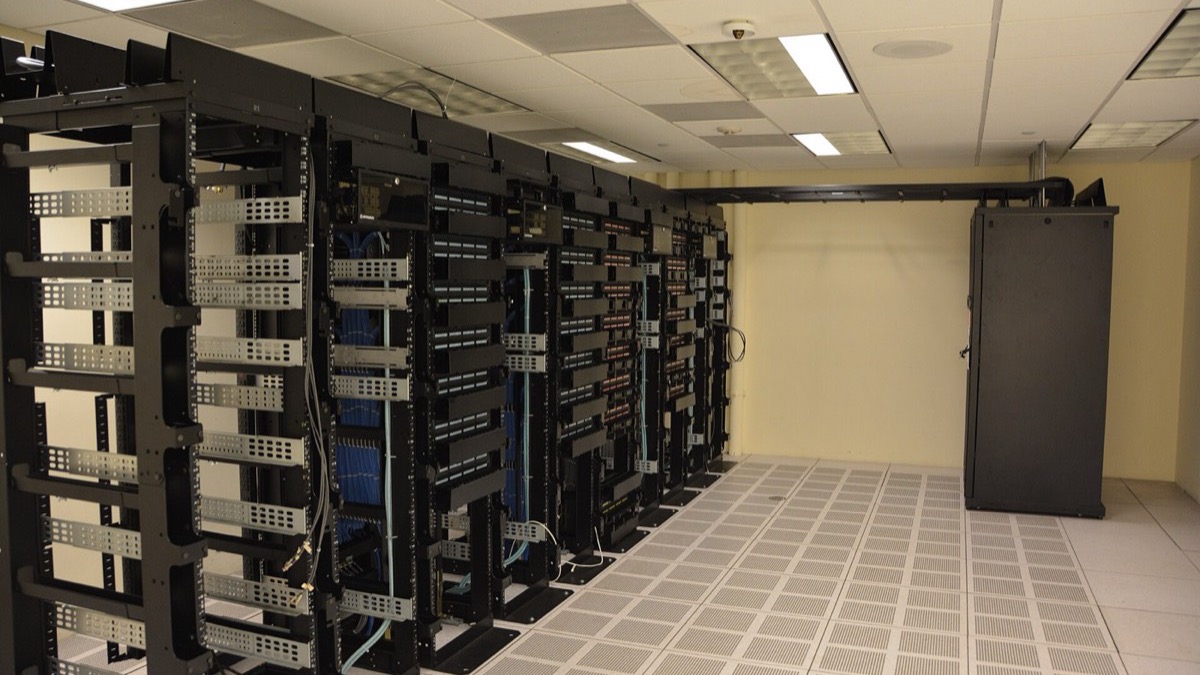
For most of the last fifteen years the industry had a simple answer to where servers belong: somewhere else. Cheap land, cheap power and a fiber route out of town made the remote warehouse district the obvious home for anything that needed to run continuously.
That consensus is cracking. Not everywhere, and not quickly, but in enough markets that operators now describe a two-tier map: the giant training clusters still sit far from cities, while a growing share of the capacity that answers everyday requests is moving back in.
Three forces behind the shift
None of the pressure is about technology fashion. It comes from three constraints that compound each other.
- Interconnect queues. An urban site can often reach several carriers without waiting eighteen months for a new long-haul route to be built.
- Latency budgets. Interactive products have quietly narrowed their tolerance for round trips, which turns distance into a product decision rather than a facilities one.
- Heat reuse. A building with tenants next door has somewhere to send waste heat. A field in the desert does not.
The counterweight is power. Cities are where the grid is already tightest, and a single modern hall can draw as much as a small neighborhood. That is why the buildout arrives in odd shapes: a floor of a parking garage, a converted print works, the basement of an office block that lost its tenant three years ago.
What the neighbors actually notice
Residents rarely mention the servers. They mention the hum, the diesel generators during a test run, and the trucks.
Noise complaints have become the most reliable predictor of how long a permit takes. Operators that published a sound plan before the first public meeting move faster than those that arrived with a rendering and a promise.
The technical problem is solved. The social problem is scheduling a meeting at seven in the evening and actually listening.
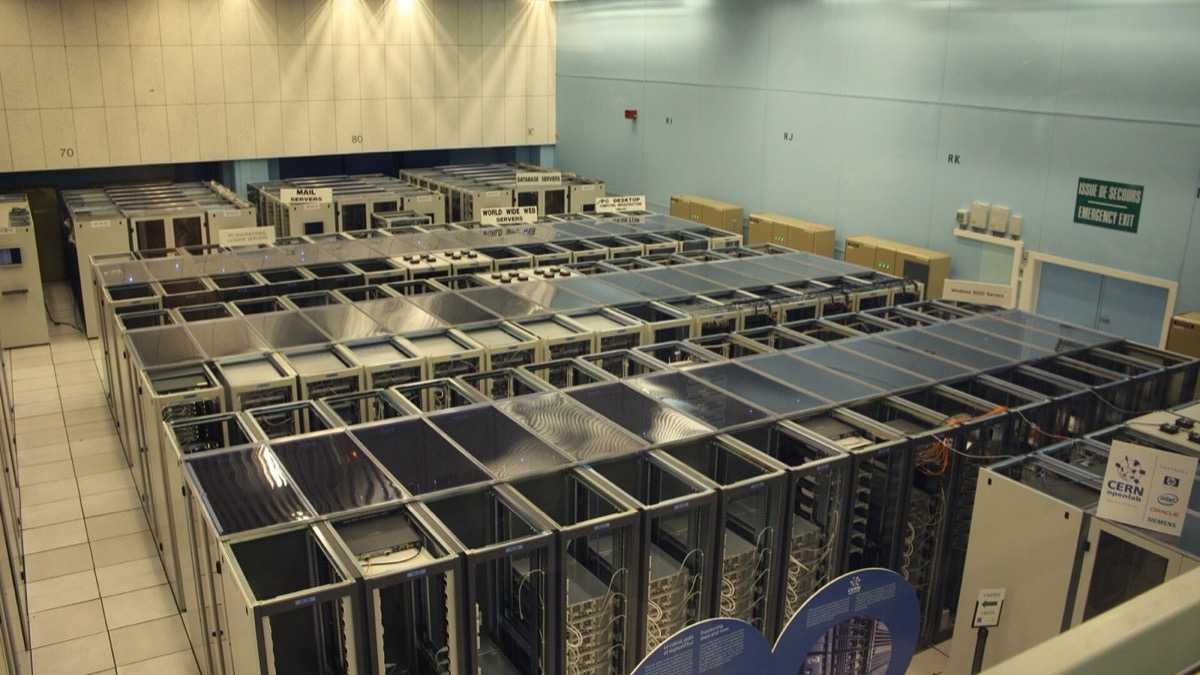
The economics are less obvious than they look
Urban capacity costs more per megawatt to build. Rent is higher, permits are slower, and the electrical work is awkward because everything has to fit into a space designed for something else.
What it buys is optionality. A site inside the metro can serve latency-sensitive traffic at a premium, sell spare heat into a district loop, and stay close enough to its customers that a capacity change is a same-week decision instead of a next-year one.
What to watch next year
Two signals matter. The first is how many urban projects survive the power interconnection queue; the queue, not the planning vote, is where most of them will die. The second is whether heat-reuse requirements spread beyond the handful of cities that have tried them.
If both move in the expected direction, the map of computing will look less like a few remote clusters and more like a distribution network with a long tail of small, awkward, well-connected rooms. That is a harder business to run. It may also be a more resilient one.